Plastic vs Metal Keyboard Cases: Which Should You Buy?
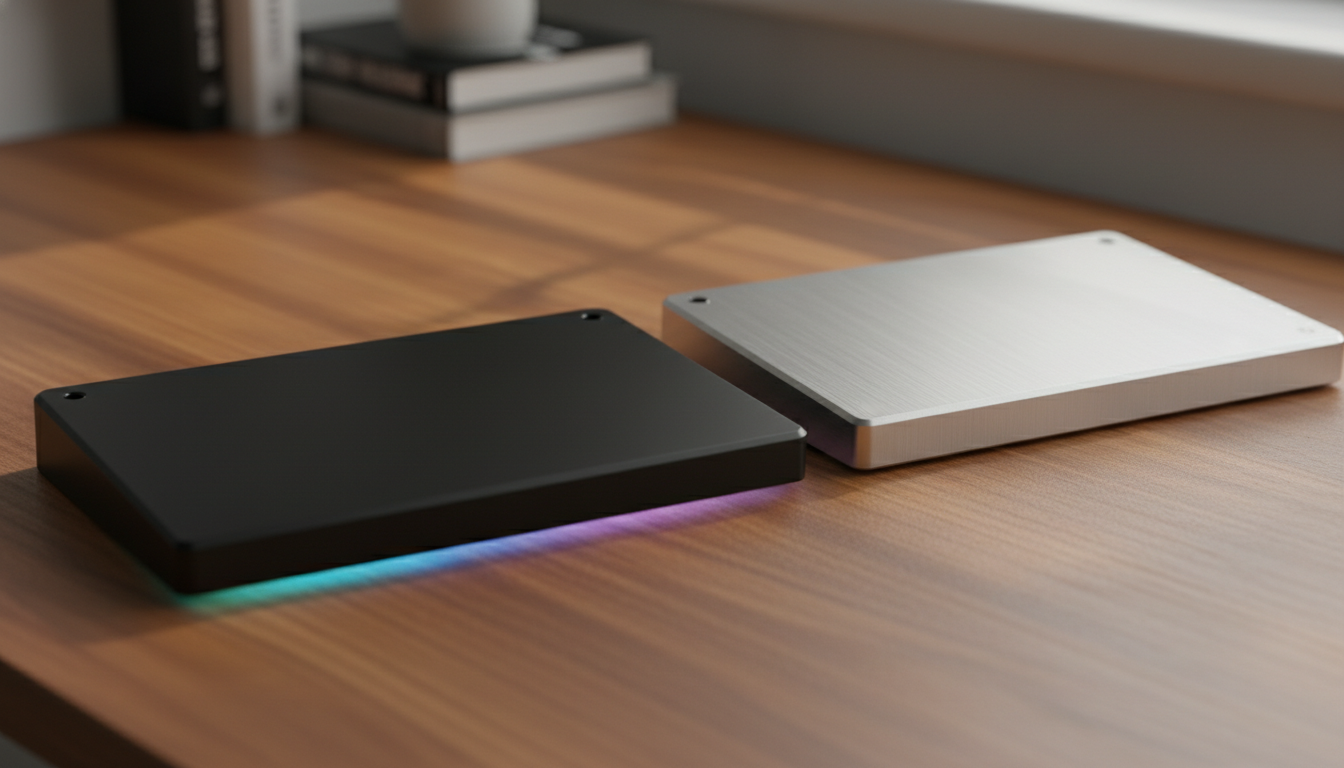
The case material on a mechanical keyboard affects sound, feel, weight, and price — not just aesthetics. Neither plastic nor metal is universally better. The right call depends on what you’re building and what you’re optimizing for.
How Case Material Changes the Typing Experience
Sound signature is where the difference is most obvious. Plastic cases tend to produce a lower-pitched, “thockier” sound because the material absorbs vibration rather than amplifying it. Metal — especially aluminum — rings more and can produce a higher-pitched “clack” that some people love and others find fatiguing.
Flex also factors in. Polycarbonate and ABS plastic cases flex slightly under keystroke pressure, which softens the bottom-out feel across the board. Aluminum cases are rigid, so the sound and feel are more direct and consistent — but harsher if you’re a heavy typist.
Gasket mounting can partially neutralize these differences. A gasket-mounted aluminum board like the Keychron Q1 Pro can feel nearly as bouncy as a polycarbonate board — but that’s the mount doing the work, not the material.
Plastic: Lighter, Cheaper, and Underrated
The reputation plastic has in budget boards doesn’t reflect what’s possible with quality plastics. Polycarbonate (PC) in particular is a legitimate enthusiast material. It’s dense enough to give a board some weight, semi-transparent so RGB shines through evenly, and acoustically great for builds targeting a deep, muted sound profile.
ABS plastic is cheaper and more common. It’s what you’ll find on most entry-level boards. It’s lighter and more hollow-sounding than PC, but paired with foam mods and quality switches, it can punch above its weight.
Weight is a feature, not a flaw, depending on your use case. If you travel with your keyboard or move it between setups, a plastic board in the 700–900g range beats hauling around a 1.5 kg aluminum block.
Good plastic boards to know:
- MODE Envoy — polycarbonate, gasket-mounted, one of the cleaner PC builds available
- KBD67 Lite — hot-swap, gasket mount, polycarbonate bottom, accessible price point
Metal: Rigid, Heavy, and Built to Last
Aluminum is the dominant metal in custom keyboards, with 6063 and 7075 alloys appearing most often. The difference between them matters less than case design and internal structure, but 7075 is harder and more expensive.
The appeal is undeniable. A machined aluminum board feels solid in a way no plastic board matches. There’s no flex, no creak, no question about longevity. For people who want their keyboard to feel like a precision instrument, aluminum delivers that in a way PC can’t.
The tradeoff is price and acoustics. Entry-level aluminum boards often sound worse than mid-tier plastic ones because manufacturers skip internal dampening. A bare aluminum tray-mount board can sound like typing on a cookie tin. Better aluminum boards solve this with case foam, PCB foam, pe foam layers, or gasket mounting — but that adds cost.
Brass is occasionally used for weight plates or internal components to add heft and shift the sound profile lower. Some builders seek out boards with brass plates specifically because it mellows out the higher frequencies aluminum amplifies.
Price Ranges by Material
Plastic boards run cheaper at every tier. A solid polycarbonate gasket-mount board can be found in the $80–$150 range. Aluminum boards at that price are usually tray-mount with hollow acoustics — not a great deal.
The aluminum sweet spot starts around $150–$250 for boards like the Keychron Q5 Pro, where you’re getting proper machining, gasket mounting, and case dampening included. High-end group buy aluminum boards push past $300–$500 easily.
If budget is the constraint, a $120 polycarbonate board will outperform a $120 aluminum board acoustically every time.
Which One Is Actually Right for You
Go plastic — specifically polycarbonate — if you want the best sound-per-dollar ratio, you prefer a softer bottom-out feel, or you’re building your first custom and want room to experiment without spending heavily on the case.
Go aluminum if the premium feel and longevity matter more than acoustics, you’re willing to invest in a properly specced board (gasket mount, case foam included), or you type lightly enough that the rigidity doesn’t bother you.
Don’t pick aluminum just because it sounds more “serious.” The best keyboard is the one tuned for how you actually type — and a well-built PC board with good switches will beat a cheap aluminum box every time.
Bottom line: Polycarbonate plastic competes with aluminum on acoustics and often wins on value. Aluminum earns its price when the board is properly engineered. Match the material to your budget and typing style, not to what looks impressive in a spec sheet.